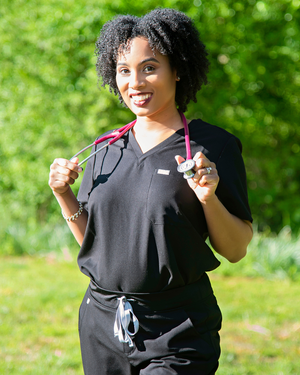
How Kinesiology Can Help Postpartum Moms Move Pain-Free

Motherhood is a beautiful, life-changing journey, but let's be honest—it also comes with its fair share of physical challenges. Whether you’ve had a vaginal birth or a C-section, your body has gone through profound changes. From backaches and hip pain to core weakness and pelvic floor discomfort, these issues can make even the simplest movements feel tough. But here’s the good news: kinesiology can help you move pain-free and regain your strength with confidence.
If you’re a postpartum mom (especially if you’ve had a C-section), this guide will break down how kinesiology can support your recovery, reduce pain, and help you feel strong again. This post is designed to be your go-to resource for understanding the power of movement, functional fitness, and body awareness in the postpartum period.
What Is Kinesiology?
Kinesiology is the study of human movement. It focuses on how muscles, bones, joints, and connective tissues work together to create functional movement patterns. But it’s not just about anatomy—kinesiology looks at the whole body and how everything is connected. Think of it as a bridge between science and movement, designed to help your body function optimally.
Kinesiology practitioners do not diagnose or treat any condition. However, they do use exercise to balance the body, reduce stress, and create an environment that supports self-healing. Therefore, kinesiology is a dialogue between the practitioner and the individual in which they observe what is happening in the body. After a session, people often report reduced stress, improved energy, and reduced pain.
For postpartum moms, this means understanding how pregnancy, childbirth, and recovery affect your movement. Kinesiology-based exercises are designed to:
Improve core strength and stability
Enhance posture and alignment
Reduce pain in the back, hips, and pelvis
Restore pelvic floor function
Promote mobility and flexibility
Support scar tissue healing after a C-section
Unlike traditional exercise programs, kinesiology doesn’t focus on aesthetics. The goal isn’t to “get your pre-baby body back” but to help you feel strong, capable, and pain-free in your postpartum body.
Why Postpartum Moms Experience Pain
Your body is in a recovery phase after pregnancy and birth. The physical demands of caring for a newborn—such as feeding, lifting, rocking, and the lack of sleep—can add stress to your already-healing body.
Common postpartum issues include:
Lower Back Pain: Due to weakened core muscles and poor posture while feeding or carrying your baby.
Pelvic Pain: Resulting from pregnancy-related changes and delivery trauma.
Hip Pain: Often caused by hormonal changes, altered walking patterns, and tight hip flexors.
Shoulder and Neck Tension: From breastfeeding or bottle-feeding positions.
C-Section Scar Discomfort: Tightness or sensitivity around the scar can limit movement.
Kinesiology helps identify the root causes of these issues and provides targeted strategies to correct them. It focuses on long-term relief rather than temporary fixes.
How Kinesiology Can Help You Move Pain-Free
1. Rebuilding Core Strength (Beyond Crunches)
Your core isn’t just your abs. It includes deep muscles like the transverse abdominis, diaphragm, pelvic floor, and multifidus. Pregnancy stretches and weakens these muscles, making it harder to stabilize your spine and pelvis.
Kinesiology focuses on functional core exercises that:
Reconnect your brain to your core muscles
Improve deep abdominal activation
Reduce pressure on the pelvic floor
Enhance breathing mechanics for optimal core function
The foundation includes exercises like diaphragmatic breathing, pelvic tilts, and heel slides. As your strength improves, we gradually add more dynamic movements to build resilience, such as farmer's carries, modified planks, and single-leg stability exercises.
2. Restoring Pelvic Floor Function
Even if you had a C-section, your pelvic floor experienced stress during pregnancy. Kinesiology helps improve pelvic floor health by:
Teaching proper breathing techniques to reduce tension
Coordinating pelvic floor contractions with core engagement
Addressing both weakness and over-tightness (yes, you can have a tight pelvic floor that causes pain!)
Integrating pelvic floor health into full-body movements for real-life functionality
3. Addressing C-Section Scar Tissue
Scar tissue can affect how your muscles move and how your core functions. Kinesiology helps with:
Scar tissue mobilization techniques to improve flexibility
Gentle movements to restore core connection
Strategies to reduce discomfort and sensitivity around the scar
Incorporating scar tissue care into daily activities to prevent long-term adhesions
4. Improving Posture and Alignment
Pregnancy often leads to postural imbalances:
Rounded shoulders from feeding and holding your baby
Anterior pelvic tilt from weakened core and hip muscles
Forward head posture from looking down at your little one
Kinesiology helps correct these imbalances through:
Postural awareness exercises
Strengthening weak muscles and stretching tight areas
Teaching you how to move efficiently to reduce strain
Incorporating movement patterns that reflect real-life tasks, like lifting your baby or carrying a diaper bag
5. Enhancing Mobility and Flexibility
Tight hips, stiff backs, and achy joints? Kinesiology addresses mobility issues by:
Identifying restricted movement patterns
Incorporating dynamic stretches and mobility drills
Improving joint stability to support flexible movement
Teaching active mobility techniques for sustainable flexibility improvements
Sample Kinesiology-Based Exercises for Postpartum Moms
Here’s a simple routine to get you started. Remember to always consult your healthcare provider before starting new exercises after childbirth.
Diaphragmatic Breathing: 5 minutes daily to engage your deep core.
Pelvic Tilts: Strengthens the lower core and relieves back tension.
Glute Bridges: Activates the glutes and supports pelvic alignment.
Bird-Dogs: Enhances core stability and coordination.
Cat-Cow Stretch: Improves spinal mobility and posture.
Wall Angels: Open the chest and improve shoulder mobility.
Consistency is key. These movements might seem simple, but they lay the foundation for pain-free, functional movement.
When to Seek Professional Support
If you’re experiencing any of the following, working with a postpartum coach or kinesiologist can help:
Persistent back, hip, or pelvic pain
Urinary leakage or pelvic pressure
C-section scar discomfort that limits movement
Difficulty reconnecting with your core muscles
Postural issues that cause daily discomfort
Signs of diastasis recti or core instability
A professional can assess your unique needs, design a personalized program, and guide you through safe, practical exercises tailored to your body.
Mindset Shifts for Postpartum Movement
Progress Over Perfection: Healing isn’t linear. Celebrate small wins.
Your Body Is Resilient: Trust your body’s ability to recover and adapt.
Movement Is Self-Care: It’s not about bouncing back—it’s about feeling strong, capable, and pain-free.
Empowerment Through Education: Understanding your body helps you take control of your recovery journey.
Postpartum recovery is more than just “bouncing back.” It’s about reconnecting with your body, addressing pain at its source, and feeling strong in your new role as a mom. Kinesiology isn’t just about exercise—it’s about empowering you to move confidently and pain-free.
Ready for personalized support? Book a private session with me today, and let’s create a movement plan tailored to your postpartum journey.